
Sanctuary Fosters
We believe every dog deserves to thrive in a loving forever home. Sometimes we rescue a dog that needs a little extra love; like special or long-term close care. This is where the term sanctuary dogs come from. Sanctuary foster dogs are furry friends that may have a medical condition or special home placement that may deem them un-adoptable. These dogs are carefully placed under safe, loving foster care homes that they will most likely be in for the rest of their lives. This process lets our dogs live out their lives in the home they are used to, and most importantly, comfortable with.
These sanctuary dogs generally require a lot more care and expenses than the typical foster dog, due to medical conditions, medications or special food that can get very expensive.
Please get to know our current sanctuary dogs below.
Any donations made are welcome to help with their care.


Manny
Like a typical doxie, Manny spends plenty of time napping on the couch, usually bundled up in a cozy pile of blankets, and he never passes up a chance to snuggle. He’s made wonderful progress with his separation anxiety and now comfortably free-roams the living room and kitchen while his foster mom is at work without any issues. With the warmer weather, he’s been soaking up the sunshine and spending as much time outside as possible. Manny lives for backyard zoomies, chasing squirrels, nature walks, car rides, and any opportunity for an adventure. This summer, we’re hoping to find out if he’s a water-loving pup—stay tuned!
From a care and donation perspective, Manny does best with structure and experienced handling. If his foster mom needed to be away for any period of time, he would have to be boarded with someone familiar with resource guarding and the potential for fear-based aggression.
Manny is currently on Reconcile (fluoxetine/Prozac), which costs about $20.98 per 30 tablets ($19.93 with autoship) and lasts him roughly two months. He also takes clonidine as needed; a 30-tablet supply lasts about 60 days and costs $10.93 ($9.86 with autoship). His currently receives both medications through his behavioral vet on autoship and could benefit greatly from the financial help of his medications. In addition, he requires monthly NexGard for flea and tick prevention.
Donations can help cover Manny's essential veterinary care, including heartworm prevention and flea & tick medications, as well as an annual wellness exam. These yearly visits typically cost around $500 because they include comprehensive testing such as full blood panels, urinalysis, heartworm and tick disease testing (4DX test), and fecal exams. In the future, he may also need updated rabies and/or distemper vaccinations to keep him healthy and protected. Thank you so much for your support.
Jake
Jake is doing well despite his diminishing sight, and he’s still very much a little clown. When he’s resting, he’ll bark or grumble at anything that moves too close, as if to say, “Hey, that’s my spot—back up!”
He loves being outside and taking slow strolls. His foster mom jokes that his back legs are longer than his front ones, the way he curls them up and tucks them in close. Whether it’s because he knows the layout so well or because he’s trained his foster mom just right, he gets around almost as confidently as a fully sighted dog—sometimes even taking the long way around the coffee table just to come find her.
He handles the steps like a pro but always makes his way over to mom if she's nearby. And she has to stay ready—because with those strong little back legs, he’ll suddenly spring upward for her to catch him. At times, he’s more like a tiny kangaroo than a dog.
Donations can help cover Jake's essential veterinary care, including heartworm prevention and flea & tick medications, as well as an annual wellness exam. These yearly visits typically cost around $500 because they include comprehensive testing such as full blood panels, urinalysis, heartworm and tick disease testing (4DX test), and fecal exams. In the future, he may also need updated rabies and/or distemper vaccinations to keep him healthy and protected. Thank you so much for your support.


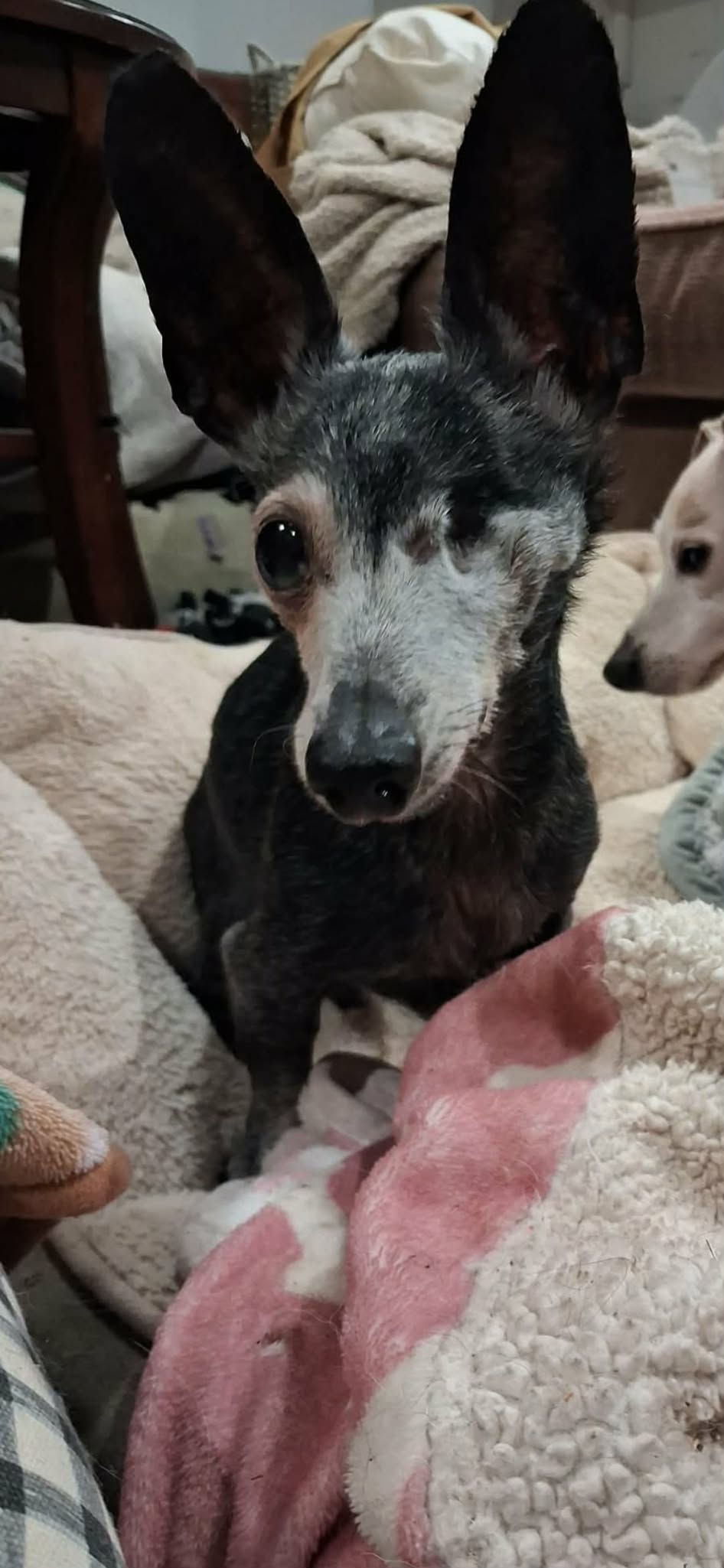

Ferris
Ferris has definitely found his voice lately—right around 8 or 9 each day, he’ll let out a howl or two… or four, just to keep things interesting. Even though his vision is limited, his hearing is excellent. If his foster mom speaks to him from anywhere in the family room, his ears perk right up and he answers with the sweetest little grunts.
Every time he is picked up, he has his own routine—he gives a big yawn, and then we go back and forth with a series of grunts for a couple of minutes before he finally settles in and tucks his head in to cuddle. His foster mom likes to think he’s telling her something important, and she just hope her return “grunts” make sense to him.
He’s also been spending more time outside, exploring all the corners of the fenced yard before making his way back to the door. Best of all, he hasn’t had a seizure in quite some time, which is wonderful to see.
From a care perspective, Ferris does have ongoing medical needs. His seizure medication, levetiracetam, costs about $95 per month. He also requires tacrolimus eye drops, which run about $65 per month, as well as Optixcare eye moisturizer, which costs around $45 every six weeks.
Donations can help cover Ferris' essential veterinary care, including heartworm prevention and flea & tick medications, as well as an annual wellness exam. These yearly visits typically cost around $500 because they include comprehensive testing such as full blood panels, urinalysis, heartworm and tick disease testing (4DX test), and fecal exams. In the future, he may also need updated rabies and/or distemper vaccinations to keep him healthy and protected. Thank you so much for your support.
Redd
Redd is 18 years old and, although his vision isn’t great, he still loves going outside to explore the yard and take in his surroundings. He wears belly bands and does well with his routine.
He was up for adoption for over a year—something that often happens with senior dogs—but he has so much love and personality to give. He’s very cooperative when it comes to grooming; he’ll let his foster mom trim his nails and tidy him up for a few minutes at a time, and then they take a break before continuing. He also gets a bath every other week to keep him comfortable and clean.
From a care perspective, we know how quickly medical costs can add up for a dog his age. Because of that, we'd much rather see any donations the rescue receives go directly toward medical care and support for dogs like Redd who need it most.
Donations can help cover Redd's essential veterinary care, including heartworm prevention and flea & tick medications, as well as an annual wellness exam. These yearly visits typically cost around $500 because they include comprehensive testing such as full blood panels, urinalysis, heartworm and tick disease testing (4DX test), and fecal exams. In the future, he may also need updated rabies and/or distemper vaccinations to keep him healthy and protected. Thank you so much for your support.


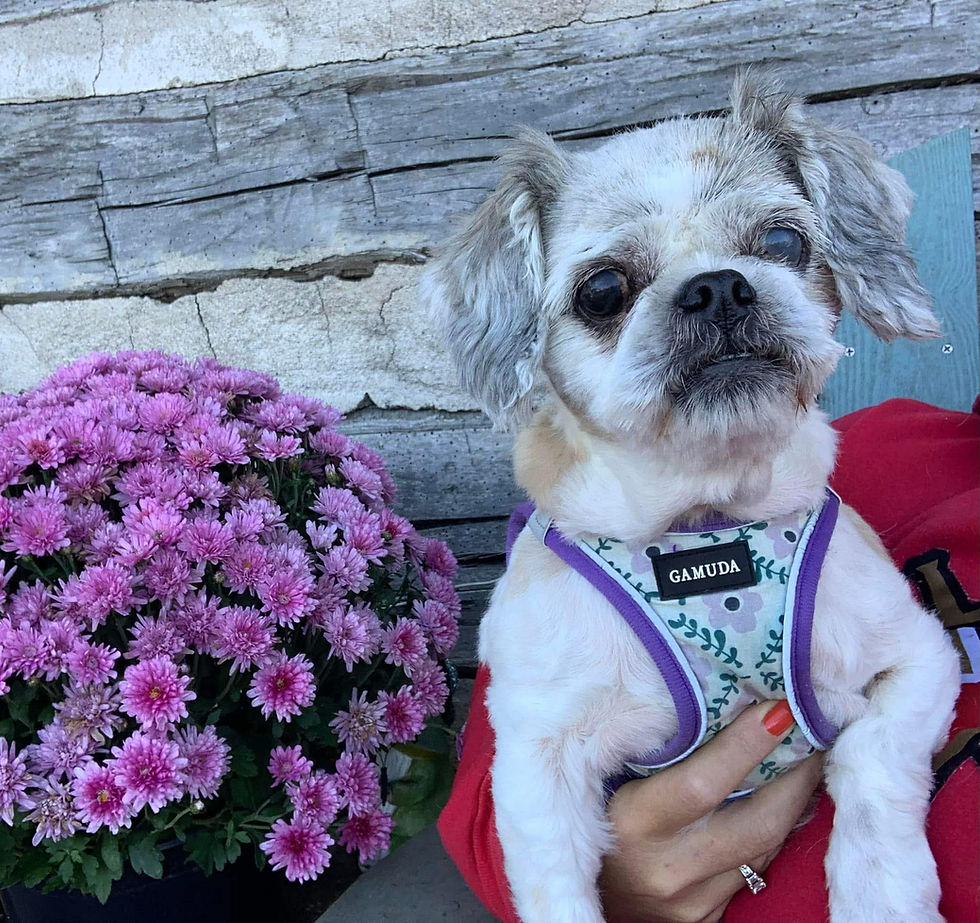


Callie
Sweet Callie came into rescue as a stray in November 2023. While her exact age is unknown, she’s estimated to be between 8–10 years old. When she arrived, she was suffering from untreated ear and eye infections due to medical neglect, and she is now blind and mostly deaf. Thankfully, the rescue ensures she receives the very best care.
Despite everything she’s been through, Callie has truly thrived in her sanctuary foster home. She’s always cheerful and in a good mood—equally happy heading out on a new adventure or curling up for a cozy nap beside her foster mom. She gets along wonderfully with all of her foster siblings, including dogs, cats, and even chickens.
Callie is the absolute sweetest soul and is adored by everyone who has the chance to meet her.
From a care perspective, she regularly sees an eye specialist to help keep her chronic eye conditions stable, in addition to routine veterinary care as needed. Her eye medications cost approximately $50 per month.
Donations can help cover Callie's essential veterinary care, including heartworm prevention and flea & tick medications, as well as an annual wellness exam. These yearly visits typically cost around $500 because they include comprehensive testing such as full blood panels, urinalysis, heartworm and tick disease testing (4DX test), and fecal exams. In the future, she may also need updated rabies and/or distemper vaccinations to keep her healthy and protected. Thank you so much for your support.